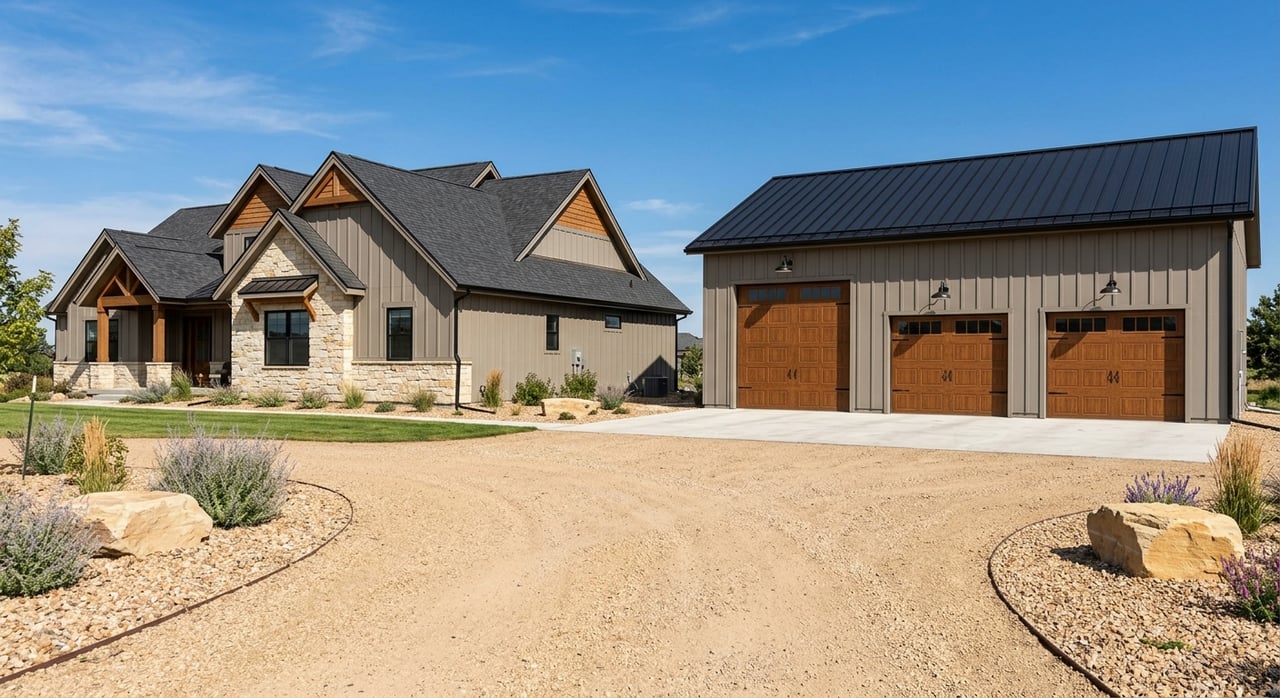
If you are dreaming about more space, bigger views, or a home with room for a shop, barn, or guest quarters, acreage near Berthoud can be very appealing. It can also come with more moving parts than a typical in-town purchase. The good news is that with the right due diligence, you can avoid expensive surprises and buy with confidence. Let’s dive in.
Start With Jurisdiction
One of the first questions to ask is simple: Is the property inside Berthoud town limits or in unincorporated Larimer County? That answer affects zoning, land use, permits, setbacks, and future plans for the property.
According to the Town of Berthoud Development Code, the town’s zoning and development standards apply inside municipal boundaries. Berthoud notes that its planning jurisdiction extends three miles beyond town limits, but that does not mean town zoning rules apply outside the boundary. For parcels outside town limits, Larimer County zoning rules generally control allowed uses, minimum lot sizes, setbacks, heights, and accessory uses.
That distinction matters if you want to add a detached garage, barn, workshop, guest space, or even split land in the future. Before you fall in love with a property, confirm which jurisdiction regulates it and what the zoning district allows.
Check Easements And Restrictions
Large parcels often come with limits that are not obvious from a showing or an aerial map. A property may look wide open, but recorded documents can still restrict what you can build or how you can use the land.
Berthoud specifically describes conservation easements as permanent restrictions on use or development. If you are considering acreage or estate property near Berthoud, review title records early to see whether the parcel has a conservation easement, utility easement, access easement, covenant, or other recorded limitation.
This is especially important if your long-term plan includes expansion. A barn, outbuilding, new driveway, lot split, or second structure may not be possible if the title documents limit development.
Access Can Change Everything
A beautiful rural property can feel very different once you dig into road access and maintenance. Larimer County’s rural property guidance explains that country living is not the same as city living, and access is one of the biggest reasons why.
Some roads are private or not maintained by the county. Larimer County also states that it will not plow private roads or private driveways except in a life-threatening emergency. Emergency response times are not guaranteed, and narrow roads may not accommodate large construction vehicles.
If the property connects to a county road, you may need a county access permit. If a road serves more than one residence or parcel, a private road construction permit may be required. These are not minor details, because they can affect financing, construction plans, and your day-to-day ownership experience.
Utilities Deserve A Full Review
Utility service is another area where acreage buyers need clarity early. In some cases, a property may be on town water and wastewater. In others, it may rely on a private well and an onsite septic system.
For in-town properties, Berthoud provides drinking water and wastewater collection services. The town also publishes water and wastewater rates, and it has announced 2026 rate adjustments. If monthly operating cost matters to your budget, utility rates should be part of your affordability review.
If the home is not connected to town sewer, Larimer County requires an approved onsite wastewater treatment system. For new OWTS permits, the county requires a soil test, usually with two soil test pits or percolation testing plus two pits. New-system permits are also required for new construction or certain accessory buildings when sewer is not available within 400 feet, according to Larimer County Environmental Health guidance.
If the parcel uses a well, confirm the well permit before you assume anything about watering animals, irrigating landscaping, or supporting future improvements. The Colorado Division of Water Resources states that new groundwater wells require a permit, and the well file can show allowable uses plus construction and pump records. Larimer County also warns that not every well can be used for landscaping or livestock, so the permit language matters.
Always Verify Before Digging
Utility locations can also affect renovation or expansion plans. Berthoud instructs owners and contractors to call 811 before any excavation.
The town also notes that private electric, water, sewer, and storm-drain components between the curb stop and the house are not marked by the utility and may require a private locator. If you are planning fencing, trenching, a detached structure, or driveway work, this is an important practical step.
Review Outbuildings And Guest Space Rules
Many buyers looking at estate or acreage property want flexibility for a shop, detached garage, barn, or guest quarters. That is reasonable, but it should be confirmed through current code before you buy.
In Berthoud, one current code table shows accessory structures with 5-foot setbacks from property lines and a 30-foot maximum height. The town also states that accessory dwelling units are limited to 850 square feet, must be located behind the principal dwelling, and must match the principal structure.
Those standards can vary by zoning district or overlay, so do not assume every parcel allows the same improvements. If a future shop, detached garage, barn, or guest suite is part of your plan, verify the exact zoning rules for that specific property.
Understand Permit Requirements Early
County and town permit rules are often broader than buyers expect. In Larimer County, a building permit is required for new homes, cabins, garages, and agricultural buildings. Some non-habitable accessory structures under 200 square feet with no utilities may be exempt, but county land-use and building rules can still apply even when a permit is not required.
Those rules may include setbacks, lot coverage, and floodplain regulations. In Berthoud, the town has adopted the 2024 I-Codes, requires contractors to be licensed with the town before applying for a permit, and states that electricians and plumbers must hold valid state licenses. The town also says new construction requires both a building permit and a stormwater permit.
If you are buying land for a custom build or evaluating a property with room to expand, these permit steps should be part of your planning from day one.
Water Rights And Land Condition Matter
With acreage, the land itself needs as much attention as the house. Larimer County’s rural property guidance points out several issues that buyers should review carefully.
For example, not all tax parcels are buildable. Easements can affect access or utility placement. Mineral rights may be separate from surface ownership, and survey lines do not always match fences.
The county also notes that ditch water crossing a property does not automatically belong to the owner. In addition, Colorado’s open range framework means that if you want livestock off your property, you may be responsible for fencing them out. These are the kinds of details that can shape both your costs and your expectations after closing.
Floodplain And Wildfire Are Essential Checks
Two environmental reviews deserve special attention: floodplain and wildfire. These are not optional items to gloss over if you are buying acreage near Berthoud.
Larimer County requires a Floodplain Development Permit for many projects in designated floodplain areas. If you plan to build, expand, grade, or place structures on the land, floodplain status can directly affect what is possible.
Wildfire review can also be part of the permitting process in hazard areas. Larimer County’s wildfire program requires an Initial Wildfire Inspection at footing and setback inspection, followed by a Final Wildfire Inspection after mitigation is complete when wildfire safety review is part of approval. The county makes clear that permit-related mitigation compliance is mandatory in these cases.
Plan For Ongoing Rural Maintenance
Ownership costs on acreage often go beyond the mortgage and insurance. Larimer County notes recurring concerns such as road washouts, steep slopes, expansive soils, and noxious weeds, all of which can affect maintenance needs and long-term expense.
If you are considering brush clearing or cleanup, keep in mind that most outdoor burning in Larimer County requires permits. The county also states that agricultural zoning does not automatically exempt a burn. For many buyers, these practical land-management issues are just as important as the home itself.
Build A Better Due Diligence Checklist
For acreage or estate property near Berthoud, the best checklist is really a records checklist. Before you move forward, try to review the documents that tell you how the property can function now and in the future.
A smart pre-offer file often includes:
- The zoning map and zoning district details
- A current survey
- Recorded easements and covenants
- Septic permit records and soils reports
- The well permit file
- Floodplain status
- Wildfire hazard or mitigation status
- Access and driveway permit records, if applicable
Larimer County specifically advises buyers to review buildability, access, easements, covenants, mineral rights, and surveyed boundaries before purchasing rural land. That guidance is especially useful if you are comparing multiple properties with different utility setups or future-use potential.
Work With The Right Local Contacts
Acreage transactions often involve more than a buyer, seller, lender, and title company. Depending on the property, you may also need input from county planning, Environmental Health, the Colorado Division of Water Resources, wildfire reviewers, or a licensed surveyor or engineer.
That local coordination can save you time and help you avoid buying a property that does not match your goals. If you are weighing acreage or estate options near Berthoud, working with someone who understands both the market and the records-review process can make the search much smoother.
When you are ready to explore acreage, estate property, or land opportunities in Northern Colorado, Andrea Stull can help you evaluate the details that matter so you can move forward with clarity and confidence.
FAQs
What should you verify first when buying acreage near Berthoud?
- You should first verify whether the property is inside Berthoud town limits or in unincorporated Larimer County, because that determines which zoning and land-use rules apply.
What records should you review before buying estate property near Berthoud?
- You should review the zoning map, survey, recorded easements and covenants, septic permit and soils report, well permit file, and floodplain or wildfire status.
What utility issues matter most for acreage property near Berthoud?
- You should confirm whether the property is served by town water and wastewater or relies on a private well and septic system, then review permit records, allowable uses, and likely operating costs.
What should you know about outbuildings on property near Berthoud?
- You should verify current zoning and code rules before assuming you can add a barn, shop, detached garage, or guest space, because setback, height, size, and placement rules may apply.
What environmental risks should you check for acreage in Larimer County?
- You should check floodplain status, wildfire hazard review requirements, soil conditions, road access concerns, and maintenance issues such as weeds, slopes, and drainage.