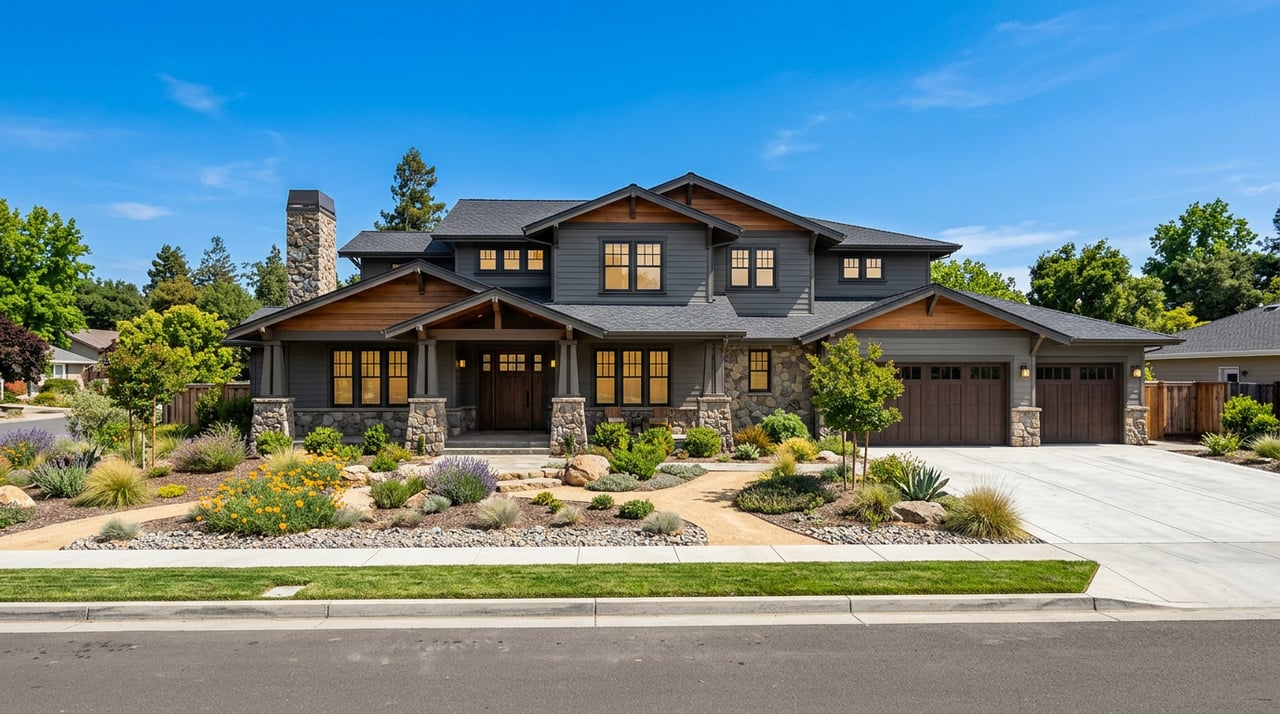
Thinking about a brand-new home in Windsor but not sure where to start? You are not alone. With steady growth and several master-planned neighborhoods, Windsor offers many options, styles, and timelines. In this guide, you will learn how new construction works here, what it really costs beyond the base price, how to protect yourself through contracts and inspections, and which communities to explore. Let’s dive in.
Windsor new construction at a glance
Windsor has expanded quickly in recent years, with a 2024 community profile listing a population of 45,712 and a large share of owner-occupied homes. You will see that growth reflected in the variety of new neighborhoods and home types around town. You can review the latest snapshot on the Town’s site to get a feel for scale and housing trends. Windsor’s demographics offer helpful context for planning.
What you will find across Windsor today:
- Master-planned communities with amenities like trails, lakes, and golf.
- Smaller subdivisions by a single builder.
- Quick-move-in inventory that shortens your timeline.
- Low-maintenance patio homes and townhome clusters near activity centers.
Popular areas to explore include Water Valley, RainDance, Prairie Song, and Poudre Heights. Each has multiple phases and builders, so floor plans, pricing, and amenity timing can vary by phase. Some amenities are delivered over time while homes are built. Marketing for communities such as Prairie Song shows phased lifestyle features and buildout schedules, which is a good reminder to verify timing before you buy. You can scan an example of phased amenities on Prairie Song’s builder page.
Many large Windsor neighborhoods also use metropolitan districts to finance roads, utilities, parks, and other infrastructure. These special districts can add mill levies or fees to your annual costs, so it is important to understand them early. The Town’s overview of metro districts is a helpful starting point.
New build vs resale: is it right for you?
Advantages of new construction
- Modern floor plans and energy-efficiency features are common in new builds. You also get the benefit of builder warranties. Many new homes follow a tiered warranty model that covers workmanship, systems, and structure for set periods. Review typical coverage through a third-party provider like 2-10 Home Buyers Warranty.
- Quick-move-in homes can reduce wait times if you are relocating on a deadline. Ask builders about their current inventory and completion dates.
- Master-planned amenities like trails, lakes, and community centers can boost lifestyle appeal over time. Just confirm what will be complete by your move-in date and what will arrive in later phases. The Prairie Song overview provides a clear example of phased features.
Considerations to weigh
- Final price vs base price. Base prices can look competitive, but lot premiums, required or optional upgrades, and design-center selections add up. Budget for landscaping and window coverings as well. Compare your all-in price to recent resales nearby to gauge value.
- Ongoing costs. Many Windsor neighborhoods have HOAs, metro districts, or both. Metro districts can levy property taxes or fees to service infrastructure debt, which affects your annual cost of ownership. Review the Town’s metro district guide and ask for each district’s budgets and disclosures.
- Timing and dependencies. Build timelines depend on permits, inspections, materials, and weather. The Town outlines permit steps and inspections for new homes on its building permits page. If amenities are still under construction, those can trail home deliveries.
- Builder contracts. Builders often use proprietary purchase agreements that differ from standard resale forms and may offer limited remedies if delays occur. Read everything and ask questions. If you need context on disclosures and affiliated business arrangements, industry discussions highlight why buyers should review those carefully.
Step-by-step: how a Windsor new build works
Choose your path
You typically have three paths:
- Quick-move-in/spec: The home is built or nearly done. You buy with a standard mortgage and close when it is ready.
- Presale/to-be-built: You pick a lot and plan, then build from start to finish. Expect several months from contract to move-in.
- Custom or semi-custom: Longer timelines, more selections, and potentially construction financing.
Representation and contracts
Model-home agents represent the builder. If you want independent advice, bring your own buyer’s agent and sign a written buyer-brokerage agreement that spells out services and compensation. Colorado’s Division of Real Estate explains agency choices and why written agreements matter in its guide to working with licensed real estate professionals.
Since mid-2024, industry rule changes made buyer-agent compensation more explicit and negotiated in writing. Large brokerage filings describe how practices shifted, which is a practical reminder to confirm who pays your agent and how much before touring models or writing an offer. See a summary of post-2024 practice changes in a public SEC filing. Many builders still pay cooperating brokers from marketing budgets, but you should confirm this in your buyer agreement so there are no surprises.
Timeline and permits
Once construction begins, a typical single-family home often takes about 7 to 10 months or more to complete, while quick-move-in homes can be ready in a matter of weeks or a couple of months depending on status. National guidance on build times aligns with that range, as outlined in this overview of construction timelines. Always build in buffer time for permit reviews, inspections, and weather.
Your builder will handle permit applications and inspections with the Town of Windsor. You can review the process and checklists on the Town’s building permits page. Ask your builder for the permit number and status for your exact lot.
Financing and deposits
You have two common financing routes:
- Buy a finished or nearly finished home with a conventional mortgage. You lock your rate near closing.
- Use a construction loan for a presale or custom plan. Construction-to-permanent loans combine the build and permanent phases into one closing, while construction-only loans require a second closing when the home is complete. For a clear primer, review construction loan types and pros/cons.
Ask whether the builder offers incentives such as closing-cost credits or interest-rate buydowns. Also read any affiliated business arrangement disclosures if the builder suggests a preferred lender or title company. Confirm in writing what happens to your deposits if financing falls through or if the builder changes the schedule.
Inspections, walk-throughs, and warranties
Even with a new home, you should hire your own independent inspector. Many buyers schedule a pre-drywall inspection, a final inspection before closing, and an 11-month inspection before the one-year warranty window ends. For a practical outline of why phase inspections matter, see this guide on inspections for new construction.
Understand the builder’s warranty program and any third-party coverage. The common pattern in the industry is a staged approach covering workmanship, systems, and structure on different timelines. You can review a high-level summary of typical coverage through 2-10 Home Buyers Warranty. Ask your builder for the exact warranty document, what it covers, how to file claims, and whether it is transferable.
Costs to plan for beyond base price
New construction budgets look straightforward until you add the items that are not in the base plan. Build a realistic budget that includes:
- Lot premiums and elevation choices.
- Design-center selections like flooring, cabinets, counters, and fixtures.
- Appliances, window coverings, and technology packages not included in base pricing.
- Landscaping, fencing, and backyard upgrades.
- HOA assessments and potential metro district taxes or fees. Use the Town’s metro district overview to understand how these charges work.
- Potential rate buydown or closing-cost tradeoffs in exchange for using a preferred lender.
Ask the sales counselor for a current price sheet showing standard features, a list of optional upgrades with estimated costs, and typical landscaping or fencing allowances so you can compare apples to apples across communities.
Windsor due diligence checklist
Use this checklist to keep your purchase on track:
Confirm the exact lot, phase, and plat details. Map the address to county records and verify school assignments with the local district.
Request all documents up front. Ask for the builder purchase agreement, design-center addenda, warranty sample, HOA bylaws, and metro district disclosures. Colorado’s HOA Center highlights why reviewing association and district documents before signing is critical.
Understand special districts. Ask for the metro district’s service plan, budgets, and transparency notices. Verify mill levies, fees, and any planned changes. Use the Town’s metro district page to learn how these districts operate.
Track permits and utilities. Confirm your builder’s permit status and ask how utility and tap-fee obligations are handled for your lot. The Town outlines steps on its building permits page.
Secure representation. Hire a buyer’s agent and sign a written buyer agreement that spells out services and compensation before touring models or writing offers. Start with the DRE’s guide to working with licensed real estate professionals.
Schedule inspections. Plan for pre-drywall, final, and an 11-month inspection with an independent inspector. See the practical overview of new construction inspections.
Nail down financing. Decide between a standard mortgage for inventory homes or a construction-to-permanent loan for presales/custom builds. Shop lenders and compare terms using this construction loan primer.
Clarify deposits and contingencies. Confirm who holds earnest money, when it becomes nonrefundable, and how delays or changes affect your rights. Review dispute resolution and remedy clauses in the builder contract.
Neighborhood snapshots to explore
- Water Valley. A large master-planned setting known for lakes, trails, and a golf lifestyle. Multiple product types and phases mean options for different budgets and timelines.
- RainDance. A growing master-planned area with a mix of builders and sub-neighborhoods. Expect phased amenities and evolving product offerings as each section builds out.
- Prairie Song. A newer master-planned community with lifestyle features rolling out in phases. Builders may offer both quick-move-in homes and to-be-built plans; verify timing and included finishes.
- Poudre Heights. An established Windsor area with ongoing phases and a variety of single-family options. Check current builders and inventory to compare floor plans and delivery timing.
Your next step
New construction in Windsor can be a great fit if you want fresh finishes, efficient systems, and community amenities. Success comes from planning your all-in budget, documenting your representation and financing early, and confirming what will be complete by move-in. If you want help comparing neighborhoods, builder contracts, or timelines, connect with Andrea Stull for local guidance tailored to your goals.
FAQs
Do I need my own agent when buying from a model home?
- Yes. The on-site agent works for the builder. Bring your own buyer’s agent and sign a written agreement that clarifies services and compensation before touring or making an offer.
How long does a new build take in Windsor?
- Many single-family builds take about 7 to 10 months once construction begins, while quick-move-in homes can be ready in weeks or a couple of months depending on status. Always allow buffer time for permits and inspections.
What warranties come with a new home?
- Many builders offer tiered coverage that commonly includes workmanship, systems, and structural components on different timelines. Ask for the exact warranty document and claims process for your specific home.
How do metro districts affect my annual costs?
- Metro districts can levy property taxes or fees to repay infrastructure costs, which appear on your tax bill. Review the specific district’s budgets, mill levy, and planned assessments before you buy.
What should I budget beyond the base price?
- Plan for lot premiums, design-center upgrades, appliances and window coverings, landscaping or fencing, and any HOA or metro district charges. Ask for a full list of what is included and a price sheet for common upgrades.