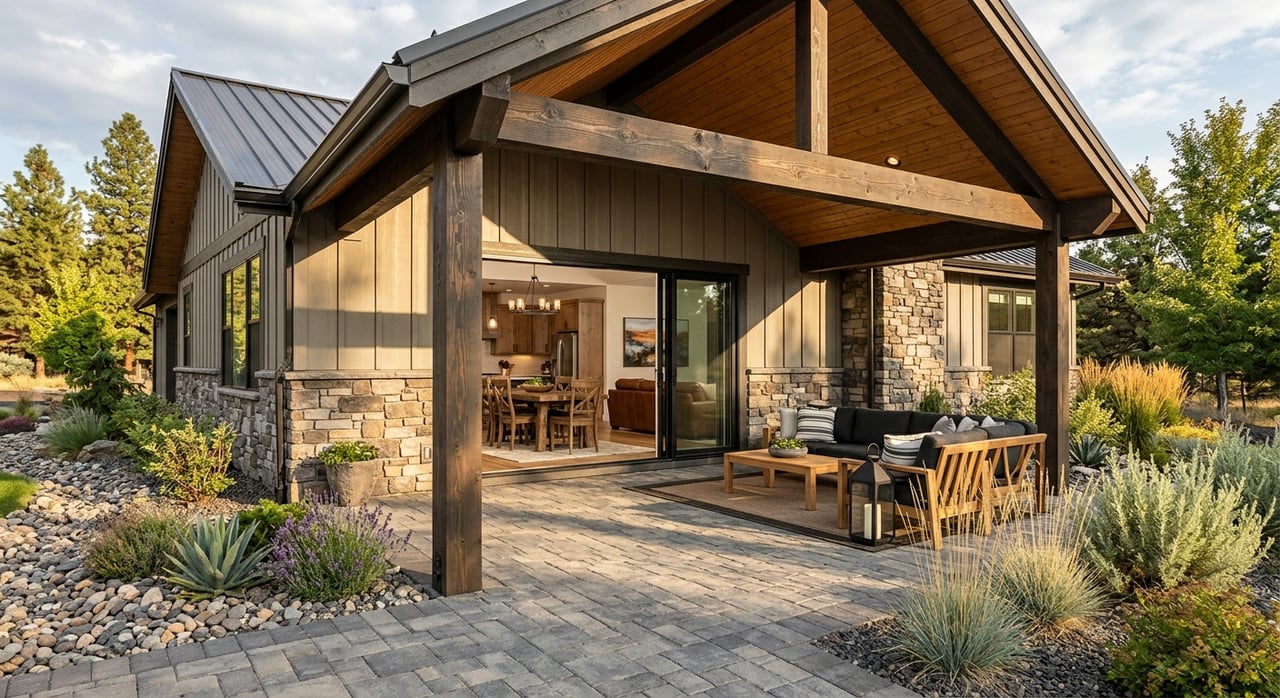
If you are thinking about selling your Timnath home, it is easy to assume the process will be quick. Timnath has grown fast, home values are still relatively strong, and the town continues to add amenities and development. But today’s market asks more from sellers than it did a few years ago. The good news is that when you know what to expect, you can plan ahead, price wisely, and avoid costly surprises. Let’s dive in.
Timnath Sellers Are Entering a Different Market
Timnath remains one of Northern Colorado’s fast-growing communities. The U.S. Census QuickFacts for Timnath estimate 10,848 residents as of July 1, 2024, and show an 82.6% owner-occupied housing rate with a median owner-occupied value of $730,100.
That growth helps support long-term interest in the area, but it does not automatically mean every home will sell fast. Recent market data points to a slower pace, with buyers taking more time and comparing more options before making an offer.
According to Redfin’s Timnath housing market data, the median sale price was $729,000 in February 2026, with 132 days on market. Realtor.com’s Timnath overview described the market as buyer-leaning in January 2026, with a median home price of $695,000, 108 days on market, and a 98% sale-to-list ratio.
The exact number varies by source, but the overall message is clear. Homes in Timnath are generally taking longer to sell, and buyers have more leverage than they do in a strong seller’s market.
What This Means for Your Sale
If you are preparing to list, timing matters, but strategy matters more. In a market where buyers can slow down and compare homes, the sellers who tend to stand out are the ones who price close to market, present the home well, and respond quickly to feedback.
That does not mean you have to underprice your home. It means you should expect buyers to pay close attention to value, condition, and how your property compares to nearby listings, especially newer or near-new homes.
Pricing Matters More Than Optimism
One of the biggest mistakes sellers make in a slower market is pricing based on hope instead of current conditions. With more options available, buyers are less likely to stretch for a home that feels overpriced, especially if they expect inspection issues or updates.
Timnath’s recent sale-to-list ratio of about 98% suggests that negotiation is part of the process for many sellers. Rather than aiming for the highest possible list price, a more realistic approach is often to launch with a competitive number that matches the market and gives buyers a reason to act.
Development Can Help and Compete
Timnath’s growth story is part of what makes the town appealing. The town’s development projects under review include large residential communities such as Timnath Shores, Timnath Landing North Filing 10, Ladera South, Whitewing at Timnath Manor, and McMorris Minor Subdivision, along with infrastructure projects like the Main Street Railroad Crossing Project, Timnath Parkway Project, CR 5 Bridge and Widening Project, Poudre River Trail, and Pulse Fiber Internet.
For you as a seller, this can work in two directions. On one hand, ongoing investment supports Timnath’s visibility, convenience, and long-term appeal. On the other hand, additional housing supply can create more competition, especially if buyers are comparing your resale home to new construction or newer resale inventory.
Amenities Still Strengthen Your Home’s Story
Timnath also has strong lifestyle appeal that can support resale value. The town says its Parks & Recreation Department operates 1,200 acres of parks, playgrounds, trails, and open space, and its recreation center materials point to future investment tied to continued growth.
When your home is marketed well, these features can help buyers understand the broader value of living in Timnath. Parks, trails, open space, and growing town services are the kinds of practical amenities that many buyers can appreciate quickly.
What To Do Before You List
A smoother sale usually starts before your home hits the market. In Timnath’s current environment, preparation can make a meaningful difference in how buyers respond.
Gather Your Disclosure Information Early
Colorado sellers should be ready to complete the current Seller’s Property Disclosure (Residential) form based on their actual knowledge of the property. The form says sellers must disclose new adverse material facts promptly after discovery, and it also makes clear that the disclosure is not a warranty or a substitute for inspections.
The form asks about issues such as structural concerns, roof leaks, hail, wind, fire or flood damage, moisture or seepage, settling or cracking, and association or metro-district information where applicable. That is why it helps to gather repair records, warranties, HOA documents, and any past inspection reports before listing.
Consider a Pre-Sale Inspection
A pre-sale inspection is not required, but it can be useful. The NAR consumer guide for preparing to sell your home notes that an inspection before listing can help identify issues sellers may choose to address before showings begin.
In a market where buyers have more room to negotiate, early awareness can help you make smarter decisions. It may also reduce the chance of stressful surprises once you are under contract.
Focus on High-Impact Presentation
You do not need to remodel your entire house to make a strong impression. But you should pay attention to the spaces and details buyers notice first.
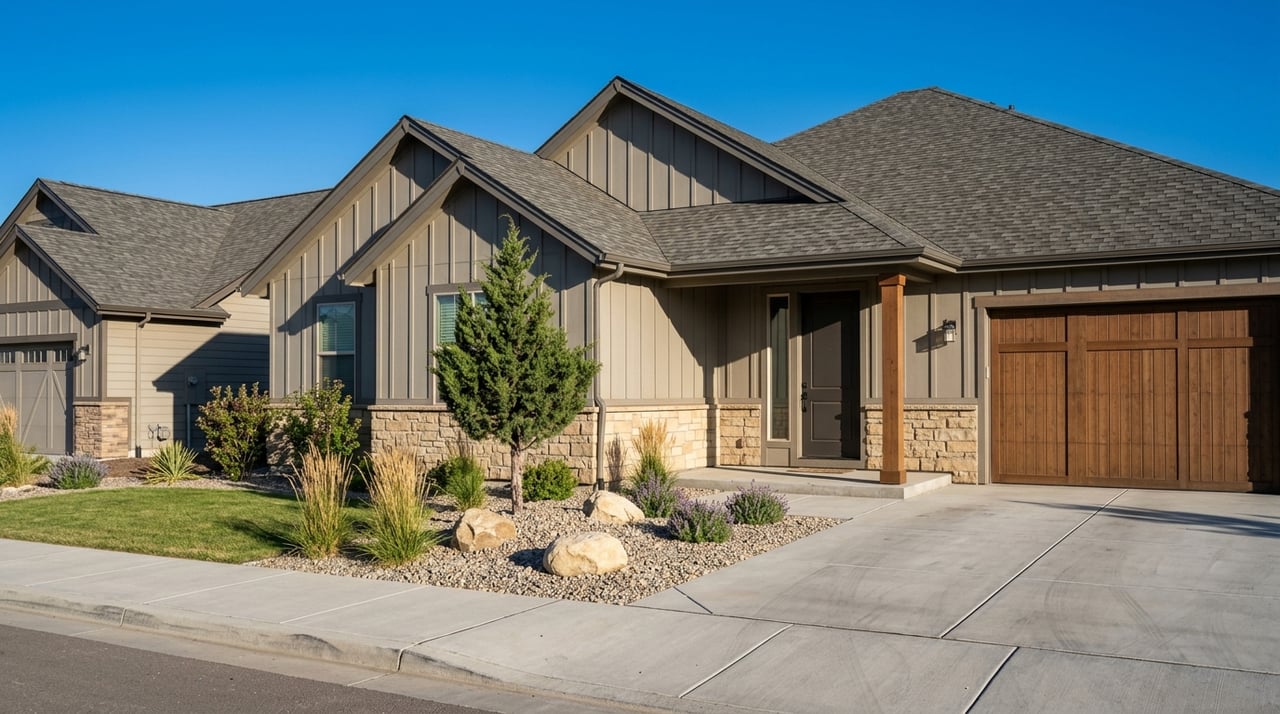
The same NAR guide recommends practical prep steps like cleaning windows, carpets, lighting fixtures, and walls, storing away clutter, and improving curb appeal through landscaping, paint, and a welcoming front entrance. These are often the updates that help a home feel cared for and move-in ready.
Stage the Rooms That Matter Most
Staging is not mandatory, but it can help buyers connect with the home. According to the NAR 2025 home staging snapshot, 83% of buyers’ agents said staging makes it easier for buyers to visualize a property.
The most commonly staged rooms were the living room, primary bedroom, and dining room. If you want to keep things simple, those are often the best places to start.
Expect Buyers To Scrutinize Condition
In a buyer-leaning or balanced market, buyers are less likely to overlook maintenance issues. They are also more likely to ask for repairs, credits, or price adjustments after inspections.
That means deferred maintenance can become more expensive later if it affects buyer confidence. If you already know about visible issues like damaged flooring, worn paint, roof concerns, or signs of moisture, it is worth discussing upfront how those items may affect pricing and negotiations.
Marketing Still Shapes Your Outcome
Even in a digital-first market, how your home is presented matters. In the NAR 2025 Profile of Home Buyers and Sellers, 91% of sellers sold with the help of a real estate agent, and top seller priorities included marketing the home, pricing it competitively, and selling within a specific timeframe.
That is especially relevant in Timnath, where many listings compete in the mid-to-upper price ranges. Professional marketing, clear pricing strategy, and a presentation that highlights the home’s strongest features can make it easier for buyers to see why your property stands out.
How Long Could It Take To Sell?
Many homeowners still picture a fast weekend sale, but current Timnath data suggests a longer runway. Recent sources point to roughly 108 to 134 days on market or to pending, depending on the platform and methodology.
That does not mean your home will take that long. It does mean you should build your plans around realistic expectations, especially if you are coordinating a move, purchase, or relocation timeline.
What A Smart Timnath Selling Plan Looks Like
If you want to enter the market with confidence, a practical plan usually includes:
- Reviewing current Timnath pricing and competing inventory
- Completing disclosures carefully and early
- Gathering repair records, HOA details, and warranties
- Handling visible maintenance issues before showings
- Cleaning, decluttering, and improving curb appeal
- Staging key rooms buyers notice most
- Preparing for negotiation on price, inspection items, or concessions
When you approach the sale this way, you are less likely to be caught off guard. You also put yourself in a stronger position to attract serious buyers and move the process forward with fewer setbacks.
Selling in Timnath today is not just about putting a sign in the yard and waiting. It is about understanding buyer expectations, competition, and the details that influence pricing and negotiation. If you want a clear plan for your home, your timing, and your next move, connect with Andrea Stull for local guidance and a polished, data-informed selling strategy.
FAQs
How long does it take to sell a home in Timnath, Colorado?
- Recent Timnath market data suggests about 108 to 134 days on market or to pending, depending on the source and methodology.
Do you need to stage a home before selling in Timnath?
- No, staging is not required, but NAR reports that many buyers’ agents believe staging helps buyers visualize the home, especially in key rooms like the living room, primary bedroom, and dining room.
What should Timnath home sellers disclose in Colorado?
- Colorado sellers should complete the current seller disclosure form based on their actual knowledge and be ready to disclose known material facts about the property, including condition issues and HOA or metro-district information where applicable.
Does nearby development affect home values in Timnath?
- It can. New projects and infrastructure may support long-term appeal, but added housing supply can also increase competition for resale listings.
Should you get a pre-sale inspection before listing a Timnath home?
- It is optional, but it can help identify issues before buyers do, giving you more control over repairs, pricing, and negotiation strategy.