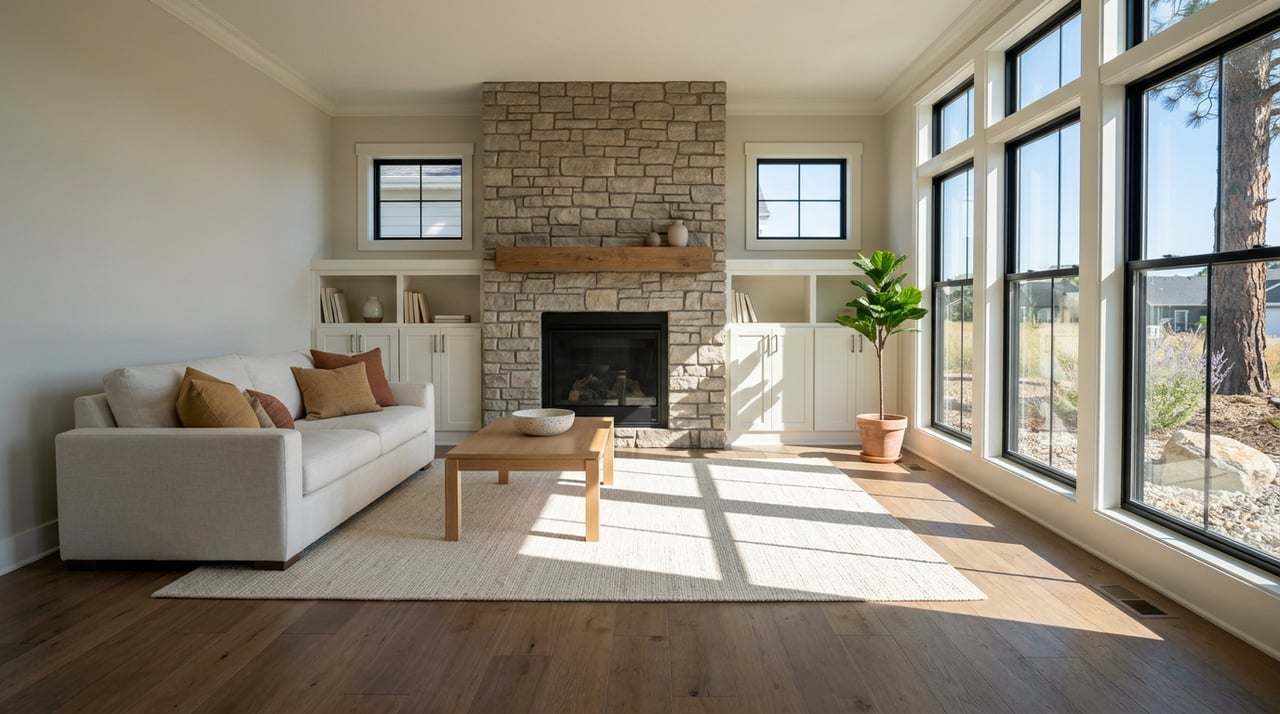
Selling a home in Loveland can feel simple from the outside, but the details still matter. In a market where homes are taking several weeks to sell and buyers often compare properties online before they ever book a showing, strong preparation can help your home stand out. If you want to attract serious buyers, protect your timeline, and launch with confidence, a smart pre-listing plan can make a real difference. Let’s dive in.
Why prep matters in Loveland
Loveland is active, but it is not the kind of market where every home sells instantly with little effort. Recent market trackers show median days on market in the low-to-upper 40s, median prices around the $500,000 range, and about two offers on average in recent months. That tells you presentation, pricing, and launch strategy still matter.
Buyers are also doing a lot of their early screening online. National Association of Realtors data shows 52% of buyers found the home they purchased online, and 81% said listing photos were the most useful feature during their search. If your home does not look its best from day one, you may lose attention before a buyer ever steps inside.
Start with the highest-impact updates
When you are deciding where to spend time and money, focus first on the basics buyers notice most. The strongest research supports decluttering, deep cleaning, and curb appeal over major discretionary remodels. Those steps improve both the in-person showing experience and the online listing presentation.
For most Loveland sellers, the practical first-round list looks like this:
- Declutter countertops, shelves, and storage areas
- Deep clean the whole home
- Touch up paint and patch visible wall flaws
- Clean or refresh carpet and flooring
- Fix minor repairs like loose handles, sticking doors, or dripping faucets
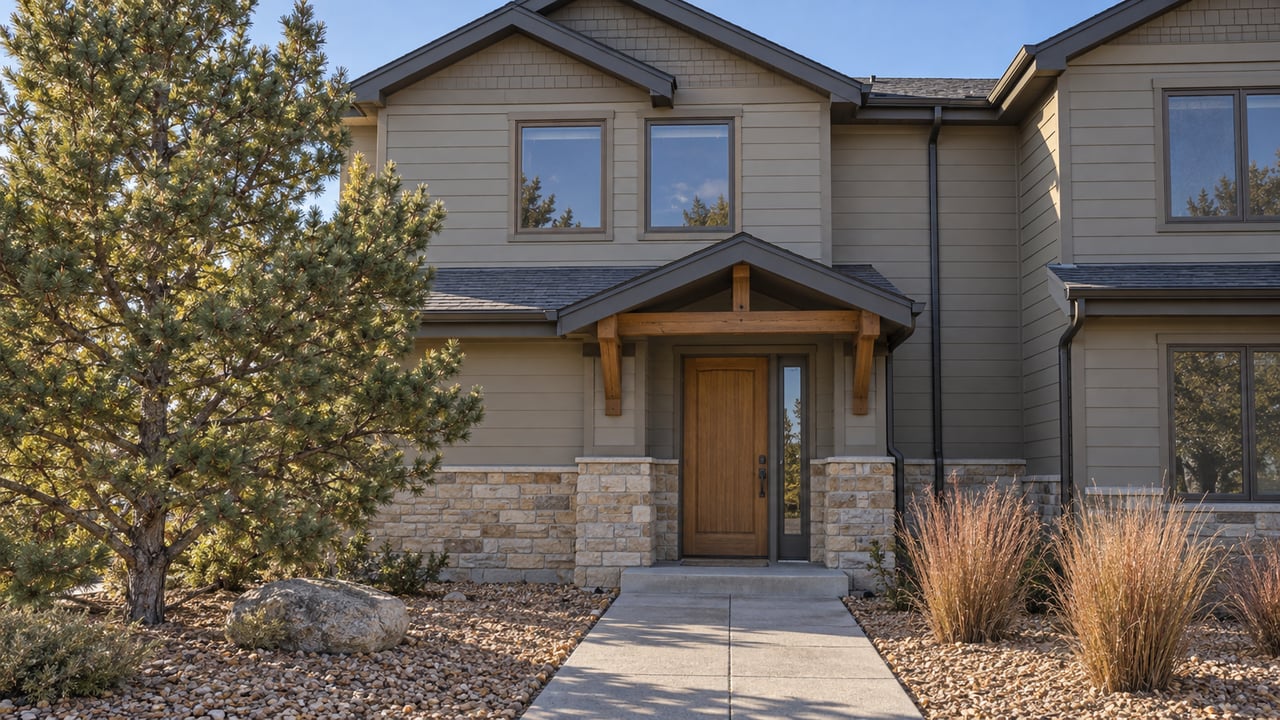
- Improve front-yard and entry appearance
- Depersonalize rooms so buyers can picture their own lives there
These tasks may not feel flashy, but they often create the clean, cared-for look that helps buyers respond positively.
Focus on the rooms buyers notice most
Not every room carries the same weight. According to NAR’s 2025 staging report, the most frequently staged rooms were the living room, primary bedroom, and dining room. That is a helpful guide when you need to prioritize your effort.
Start with the spaces that shape a buyer’s first impression of comfort and function. Make the living room feel open and bright, keep the primary bedroom calm and uncluttered, and present the dining area as usable and inviting. If those rooms feel polished, the rest of the home tends to benefit.
Declutter for space and flow
Buyers tend to respond well to rooms that feel open and easy to move through. Too much furniture, crowded shelves, and overflowing closets can make the home feel smaller than it is. A lighter setup helps your square footage read more clearly in both photos and showings.
This does not mean stripping your home of personality. It means editing the space so the home itself is the focus.
Clean like photos are tomorrow
A surface-level tidy is not enough when you are getting ready to list. Buyers notice dust on blinds, water spots on glass, worn grout, and buildup around sinks and baseboards. A true deep clean helps signal that the home has been well maintained.
This step matters because your online photos often magnify small issues. What seems minor in person can stand out in listing images.
Staging can support stronger results
Staging is not required for every sale, but it can be useful. NAR reported that 19% of sellers’ agents saw a 1% to 5% increase in buyer-offered dollar value when a home was staged, and 30% saw slight reductions in time on market. In a market like Loveland, that kind of edge can be worth paying attention to.
The same report found that photos were much more or more important to 88% of sellers’ agents, while 43% said that about physical staging. That tells you staging works best when it supports better visual marketing, not when it becomes decoration for its own sake.
What staging usually means
In many homes, staging can be simple rather than elaborate. It may include rearranging furniture, removing bulky pieces, adding lighter bedding or neutral accessories, and improving how each room flows. The goal is to help buyers understand the home quickly.
If you are weighing the cost, NAR reported a median spend of $1,500 for a staging service, compared with $500 when the seller’s agent personally staged the home. The right approach depends on your home, your price point, and your marketing plan.
Get photo-ready before you go live
Your launch window is one of the most important parts of your sale. NAR notes that early views, saves, and shares in the first days after a listing goes live can help it keep showing up in search results and buyer alerts. That means you want your home fully ready before the listing is active.
Do not plan to list first and finish details later. If buyers see unfinished prep, clutter, or weak photos at launch, you may miss the strongest burst of attention.
The first photo matters most
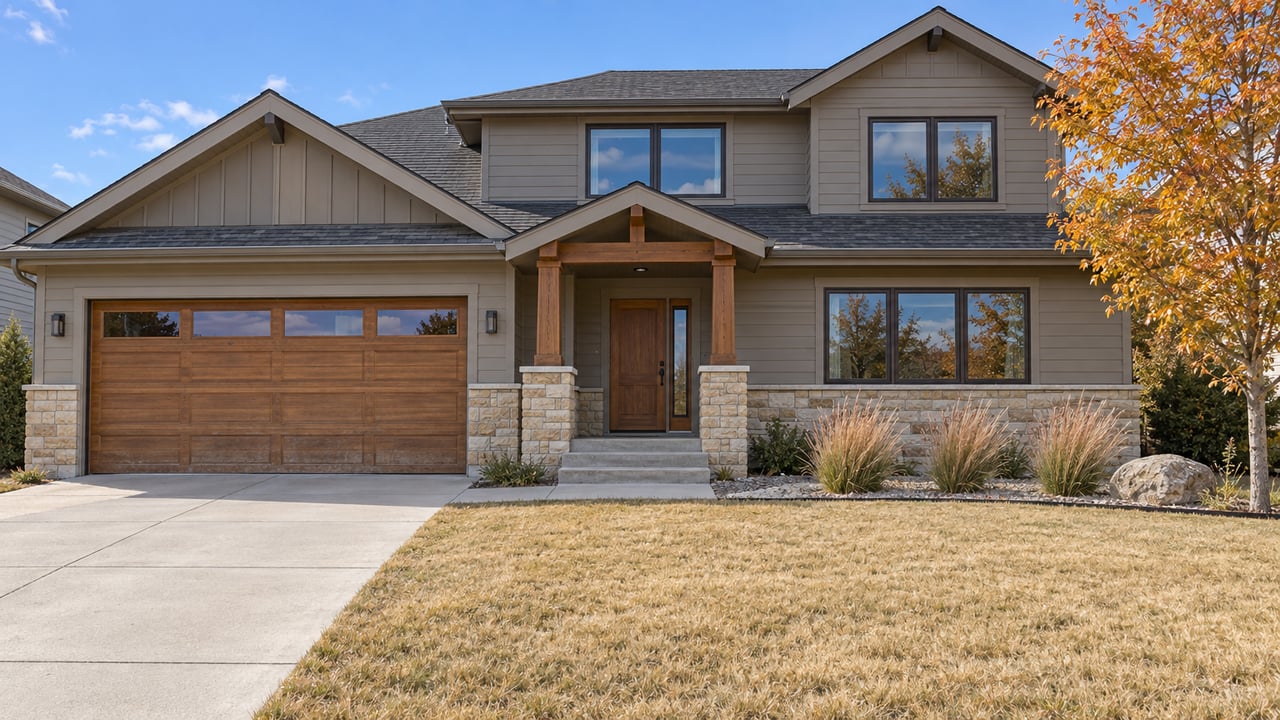
The lead image sets expectations for the whole listing. NAR notes that a strong exterior or lifestyle-focused shot can outperform a generic wide room image because it creates a stronger first impression. In Loveland, that may mean highlighting curb appeal, natural light, outdoor living, or the home’s setting.
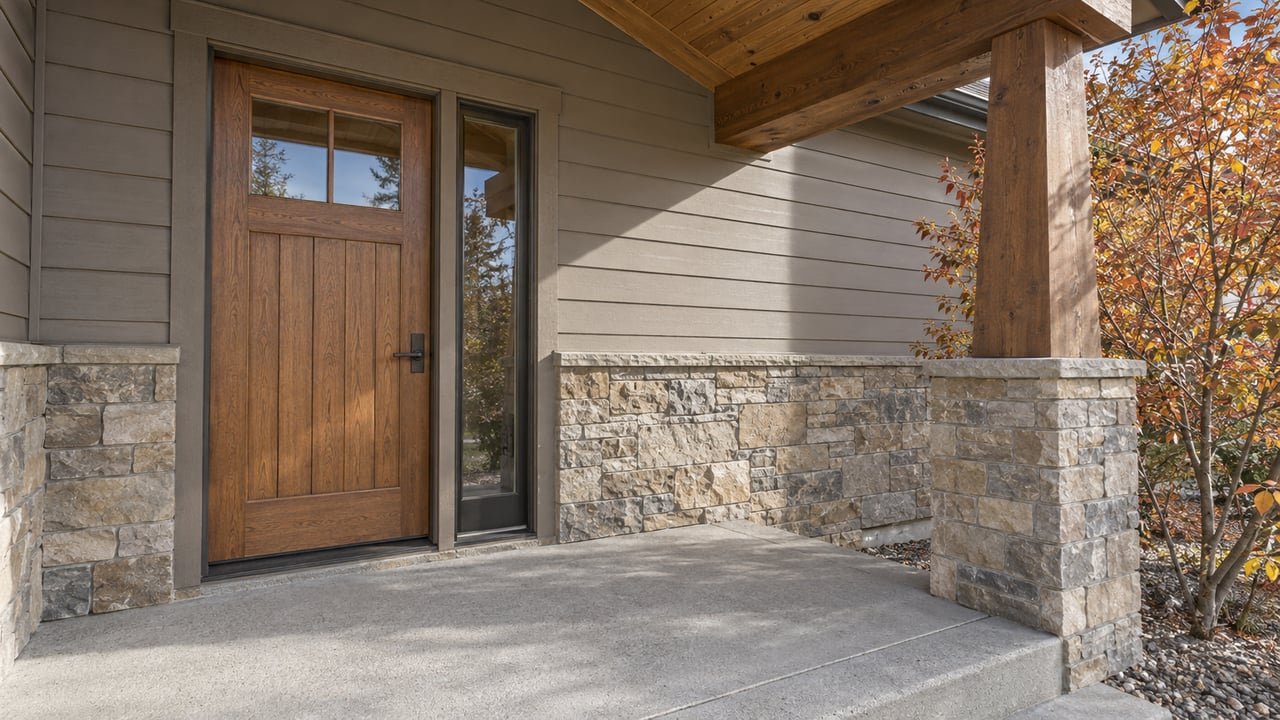
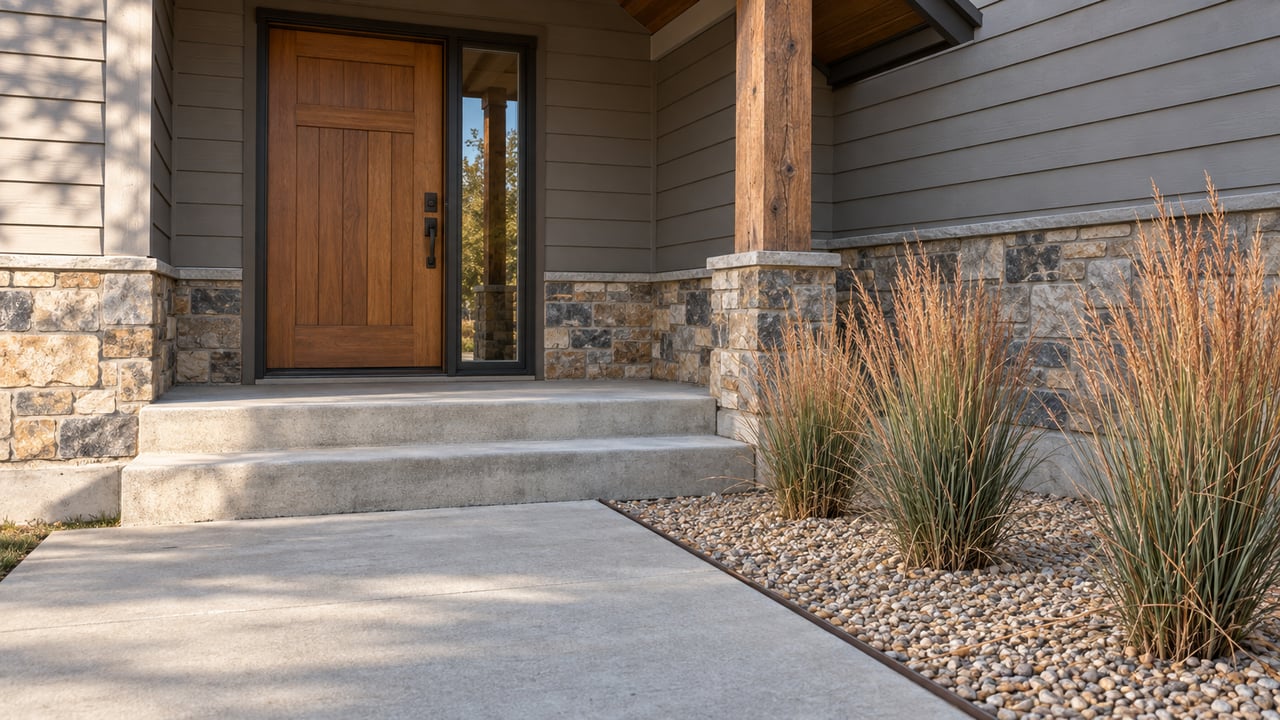
This is one reason exterior cleanup is so important. Fresh landscaping, tidy walkways, and a clean front entry can do a lot of work in your first image.
Handle repairs and permits early
If your home has unfinished projects or past work that may need documentation, address that early. Loveland’s Building Division says permits are required for new construction, additions, and many alterations, including decks, basement finishes, interior remodels, HVAC, plumbing, and electrical work. The city estimates plan review at 20 to 30 working days per round.
That timeline is important. If you need permit work, inspections, or final sign-off, start as soon as possible so those items do not delay photos, showings, or contract conversations.
Loveland also provides permit and inspection record searches by address. That can help you confirm what was permitted and whether any work still needs final approval.
Minor fixes still matter
Even when permits are not part of the picture, visible maintenance issues can make buyers cautious. Loose trim, chipped paint, worn caulk, broken screens, or nonworking light fixtures may seem small, but they can shape how buyers judge overall care.
A good rule is simple: if a buyer can see it in the first few minutes, it is worth evaluating before you list.
Gather disclosures before buyers ask
Colorado’s Seller’s Property Disclosure form covers a wide range of property details. It asks about water intrusion, flooding, drainage, grading, repairs made to control water issues, unpermitted additions or alterations, HOA issues, special assessments, metro districts, prior reports or studies, insurance claims, and prior methamphetamine-related use.
Gathering this information early can make your listing process smoother. It also helps reduce last-minute stress once buyers begin asking questions or a contract is in play.
Older Loveland homes may need extra attention
If your home was built before 1978, federal law requires lead-based paint disclosure, copies of known records and reports, a lead warning statement, and a 10-day buyer inspection period for lead. If painted surfaces are deteriorating, that can also raise concern because deteriorating lead-based paint is considered a hazard.
Colorado contract language also requires an operational carbon monoxide alarm within 15 feet of bedroom entrances, or as otherwise required by code, when the home has a fuel-fired heater or appliance, a fireplace, or an attached garage. This is a small item, but it is easy to check before listing.
Radon is worth addressing in Colorado
Radon is a real consideration in Colorado. The Colorado Department of Public Health and Environment says high radon levels have been found in all parts of the state, and about half of Colorado homes test above the EPA action level. Testing is the only way to know your home’s level.
Colorado contracts also require sellers to provide known information on radon test results. If you have past test results or a mitigation system, organize those details early.
A simple Loveland pre-sale checklist
If you want a practical roadmap, start here:
- Review your likely sale timing and goals
- Declutter room by room
- Schedule a deep clean
- Tackle paint touch-ups and minor repairs
- Refresh landscaping and front entry appeal
- Decide whether staging will help your home
- Confirm permit history and any needed final approvals
- Gather disclosure details, reports, and records
- Make sure required safety items are in place
- Finish all prep before photos and launch
This kind of sequence helps you avoid rushed decisions and puts your home in a stronger position from the start.
Smart prep beats over-improving
Many sellers wonder if they should remodel before listing. In most cases, the better first move is to improve condition, cleanliness, and presentation rather than take on large optional projects. The available research supports spending on visibility and livability first.
That means your best return may come from the things buyers notice right away: a clean home, bright and inviting rooms, strong photos, and fewer unanswered questions about condition or paperwork. In Loveland, that kind of preparation can help your home compete more effectively.
If you are thinking about selling and want a polished, data-driven plan for your Loveland home, Andrea Stull can help you map out the right prep, pricing, and presentation strategy.
FAQs
What should you do first to prepare a Loveland home for sale?
- Start with decluttering, whole-home cleaning, curb appeal, minor repairs, and photo readiness before spending on larger optional upgrades.
Is staging worth it for a Loveland home sale?
- It can be. NAR’s 2025 staging report found that some staged homes saw offers 1% to 5% higher, and 30% of sellers’ agents reported slight reductions in time on market.
How early should you start pre-listing work in Loveland?
- Start as early as you can, especially if your home has projects that may require permits or inspections. Loveland estimates plan review at 20 to 30 working days per round.
What disclosures matter when selling a home in Loveland, Colorado?
- Common disclosure topics include water intrusion, flooding, drainage, unpermitted work, HOA or metro district details, insurance claims, prior reports, and known radon information.
Does an older Loveland home need extra paperwork before listing?
- Often yes. Homes built before 1978 may require lead-based paint disclosures, and older homes may also need closer review of radon records, permits, safety devices, and repair history.