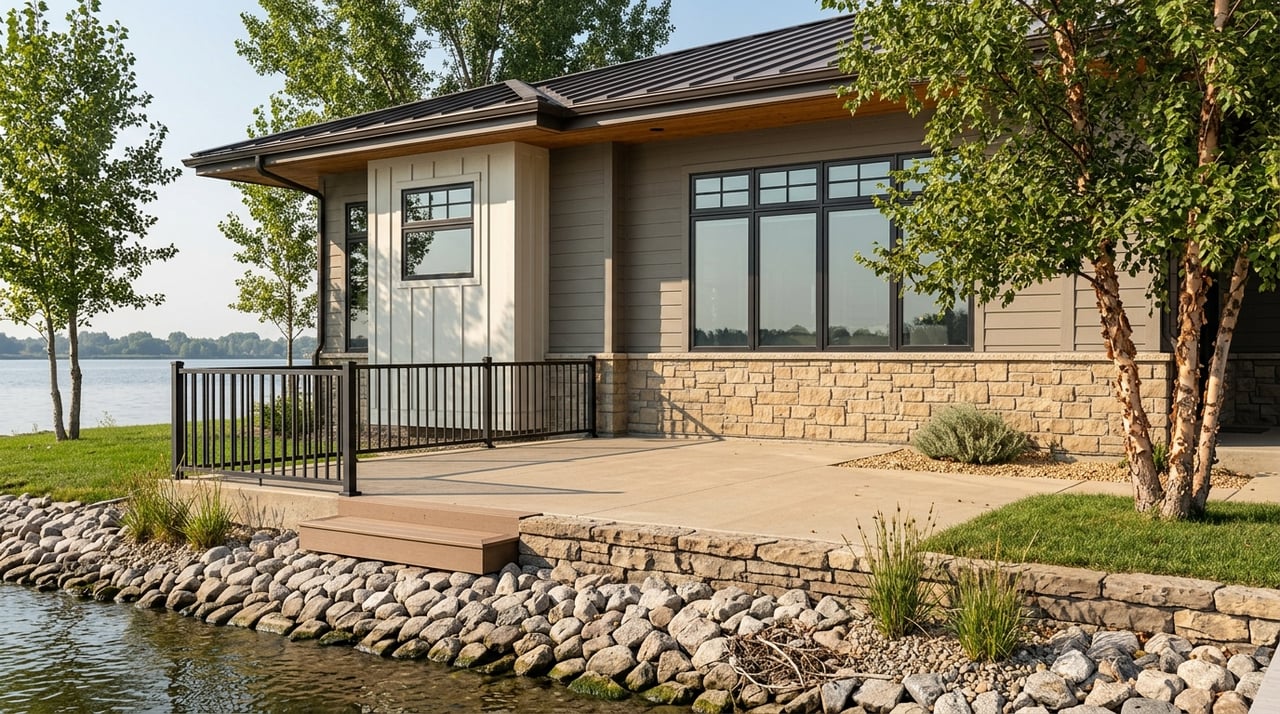
Dreaming about waking up near the water in Loveland? It is a great lifestyle idea, but here’s the key thing many buyers miss: not all lake properties in Loveland offer the same kind of access, recreation, or ownership rights. If you are shopping for a lake home, a lake-view home, or a property near popular water amenities, understanding those differences can help you avoid surprises and choose the right fit. Let’s dive in.
Loveland Lake Living Basics
In Loveland, lake living is not one single experience. Some properties come with private recreational rights, while others offer views, nearby parks, or easy access to public fishing and reservoir recreation.
That matters because a home that looks “lakefront” on a map may not include boating, swimming, or shoreline use. In this market, your lifestyle match depends as much on legal access and rules as it does on location.
Lake Loveland vs. Boyd Lake
Loveland buyers often compare two very different water settings: Lake Loveland and Boyd Lake State Park. They serve different needs, so it helps to know what each one actually offers.
Lake Loveland Access
Lake Loveland is centered on private-use rights rather than broad public recreation. Recreational rights belong to surrounding homeowners through the Lake Loveland Recreation Club, and the public is not allowed to launch watercraft there.
The City of Loveland manages some nearby public-access areas, including North Lake Park and public fishing points. North Lake Park allows shore fishing, but boating and watercraft use are prohibited there except for the surface rights held by Lake Loveland residents and the related HOA.
The city also notes a layered ownership structure around the lake. The water is owned by the City of Greeley, the land under North Lake Park is owned by the City of Loveland, and other water rights interests are tied to local shareholders. For you as a buyer, that means access is a rights issue, not just a proximity issue.
Boyd Lake Recreation
Boyd Lake State Park offers a more public, activity-driven lake experience. Colorado Parks and Wildlife lists the park at 2,082 acres with 1,700 surface acres of water, and it supports boating, swimming, camping, fishing, and paddlesports.
This is a better fit if you want a reservoir lifestyle with more recreation and less focus on private shoreline. Daily entry fees apply, currently ranging from $10 to $15 per vehicle or $4 for an individual daily pass.
One current detail to note is that the Boyd Lake Marina is closed for the 2026 season. Colorado Parks and Wildlife says the operating contract ended and low water levels are forecast, with no estimated reopening date.
Four Lake-Oriented Property Types
When you shop for lake living in Loveland, you will usually see one of four property categories. Knowing which one you are touring can make your search much more efficient.
True Lake Loveland Homes
These are the homes buyers often picture first. They may include private recreation rights connected to Lake Loveland, but you should verify exactly what is included.
Do not assume that every nearby property has the same privileges. Ask whether the home includes deeded shoreline, club membership, HOA-based lake rights, or something more limited.
Lake-View or Park-Adjacent Homes
Some homes sit near the lake or overlook public green space without offering direct water use rights. These properties can still deliver a strong lifestyle benefit if your priority is scenery, walking access, or being close to fishing and park amenities.
This category often appeals to buyers who want the feel of lake living without the added complexity of shoreline rights and related obligations.
HOA Lake-Amenity Communities
In some planned communities, the lake is part of a shared amenity structure. In that case, your access and responsibilities will depend on the HOA documents rather than your lot line alone.
This can work well if you want structured amenities and shared maintenance. Still, you will want to review the governing documents closely before you commit.
Recreation-Focused Homes Near Boyd Lake
Other buyers care less about private shoreline and more about public boating, camping, and outdoor access. Homes near Boyd Lake can be a good match if you want to spend weekends on a larger public reservoir.
In this case, the home itself may not include lake rights, but the nearby recreation may still be the real lifestyle draw.
What Buyers Should Review Carefully
Lake homes and lake-adjacent homes often require more due diligence than a standard neighborhood purchase. In Loveland, HOA structure, water rights, and amenity control can all affect what you are really buying.
HOA Documents Matter
In Colorado, most HOAs must adopt a budget, provide notice to members, and hold a meeting where owners can review and potentially veto the budget. The Colorado Department of Regulatory Agencies also says reserve studies are not required, but a reserve-study policy is required.
That means your review should go beyond the monthly dues. Look at the budget, reserve policy, bylaws, CC&Rs, and any history of special assessments.
Access Rights Need Verification
For lake-area homes, one of the biggest buyer mistakes is assuming access comes automatically with the address. On Lake Loveland especially, lake use may depend on private rights, HOA structure, or separate legal arrangements.
You will want clear answers on who may use the water, whether access is seasonal, and whether docks, launches, or shoreline improvements are allowed. Those details can shape both your enjoyment and your long-term costs.
Common-Element Maintenance Counts
Under Colorado’s common-interest framework, associations are generally responsible for common elements unless the declaration says otherwise, while owners remain responsible for their own unit or home. That is why maintenance questions matter so much in lake-oriented communities.
If a path, shoreline edge, shared dock area, or amenity space is involved, ask who maintains it and how those costs are funded. This is especially important when you are comparing one lake community to another.
Recreation Trade-Offs to Expect
Loveland’s lake appeal comes with real variety. Some settings are quiet and private, while others are active and public.
North Lake Park adds value for many buyers because it includes shelters, an amphitheater, playgrounds, courts, the seasonal Buckhorn Northern Railroad, and shore fishing access. The city also identifies Lake Loveland/South Shore Scenic Parkway, North Lake Park, and Boyd Lake as public fishing locations.
At the same time, amenities can change. The City of Loveland says the Lake Loveland Swim Beach is closed as part of 2025 service reductions, and Boyd Lake Marina is closed for the 2026 season.
That is a helpful reminder to buy based on the property and rights you can confirm today, not on assumptions about future amenities. If a feature is central to your decision, verify whether it is city-controlled, HOA-controlled, or managed by another entity.
Floodplain and Insurance Questions
If you are buying on or near the water, it is smart to review floodplain status early. The Colorado Division of Real Estate points buyers to FEMA’s Flood Map Service Center for official flood-map lookup, and the City of Loveland maintains Lake Loveland floodplain maps and flood-insurance information.
FEMA also states that standard homeowners insurance does not cover flood damage. Flood insurance may be available through the National Flood Insurance Program in participating communities, and coverage generally begins after a 30-day waiting period.
This does not mean every lake-area home has a flood issue. It does mean you should price the property with full information, especially if flood insurance could affect your monthly cost.
Questions to Ask During a Tour
When you tour a lake-oriented property in Loveland, bring a sharper list of questions than you might for a standard suburban home. A few direct questions can save you time and help you compare homes more accurately.
Ask things like:
- Does this property include deeded shoreline, HOA membership, a lake-use right, or only a view?
- Are boats, launches, docks, or swimming allowed here?
- What are the current dues, reserve policies, and special-assessment history?
- Who maintains the shoreline, paths, or other shared elements?
- Is the property in a floodplain, and should flood insurance be part of my budget?
- Are the amenities controlled by the city, county, HOA, or another group?
- Can access or amenities change seasonally or due to budget decisions?
How to Choose the Right Loveland Lake Lifestyle
The best lake property for you depends on what “lake living” really means in your day-to-day life. If you want private rights and a more residential water setting, Lake Loveland may be the better fit.
If you care more about boating, camping, and a larger public recreation environment, a home near Boyd Lake may make more sense. And if your top priorities are views, trails, and nearby parks, a lake-adjacent home could give you the lifestyle you want with fewer complications.
The main takeaway is simple: in Loveland, buying near the water is about more than the map pin. It is about matching access, rules, maintenance obligations, and recreation style to the way you actually want to live.
If you want help comparing lake properties in Loveland or narrowing down which type of lake lifestyle fits your goals, connect with Andrea Stull for clear, local guidance.
FAQs
What does lake living in Loveland usually mean for buyers?
- In Loveland, lake living can mean private-use rights, lake views, park-adjacent living, HOA-based amenities, or proximity to public reservoir recreation, depending on the property.
What should buyers know about Lake Loveland access?
- Lake Loveland is primarily a private-use lake, and public watercraft launches are not allowed, so you should verify whether a property includes actual recreation rights or only nearby access and views.
What should buyers know about Boyd Lake recreation?
- Boyd Lake State Park is a public recreation reservoir with boating, swimming, camping, fishing, and paddlesports, but it also has entrance fees, park rules, and seasonal changes such as the 2026 marina closure.
What HOA documents should buyers review for Loveland lake homes?
- Buyers should review the CC&Rs, bylaws, budget, reserve policy, special-assessment history, and any rules that define lake access, maintenance responsibility, and amenity use.
What flood insurance questions should buyers ask for lake-area properties in Loveland?
- Buyers should ask whether the property is in a floodplain, review official flood-map information, and check whether flood insurance may be needed since standard homeowners insurance does not cover flood damage.
What are the best questions to ask when touring a Loveland lake property?
- Ask whether the home includes deeded shoreline or lake-use rights, what recreation is allowed, who maintains shared elements, what the HOA financial picture looks like, and whether amenities can change seasonally or by policy.