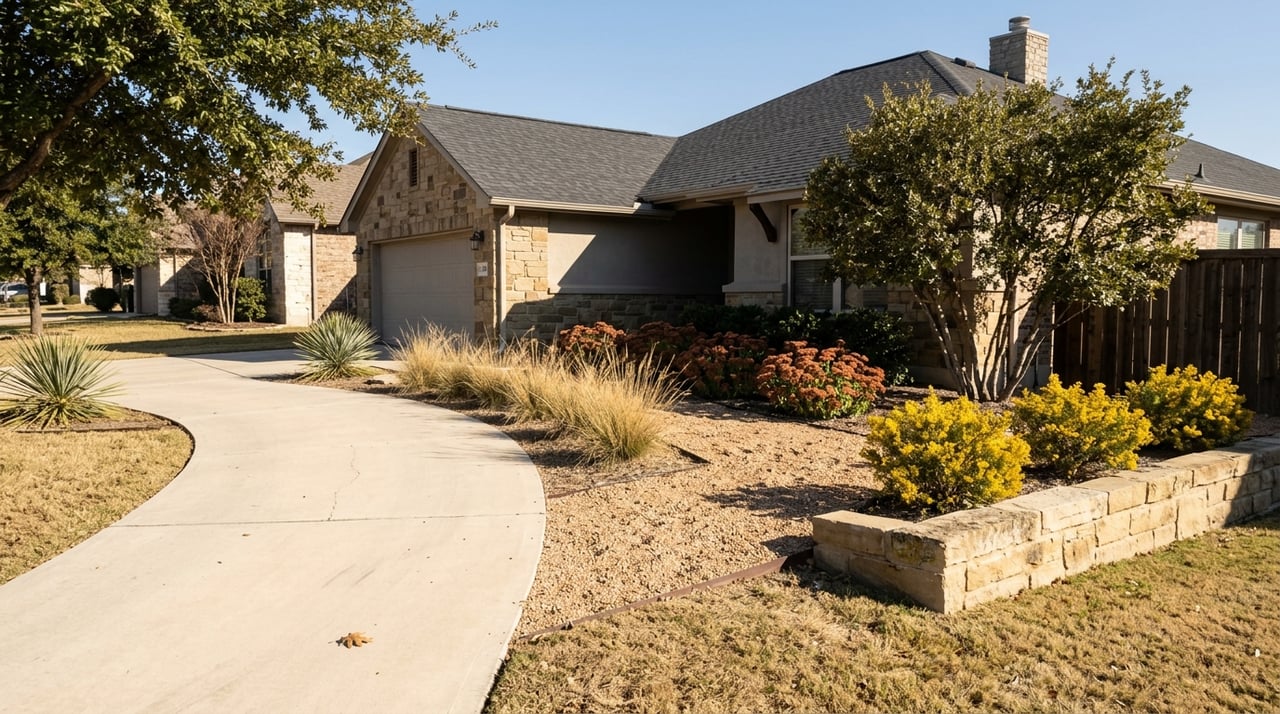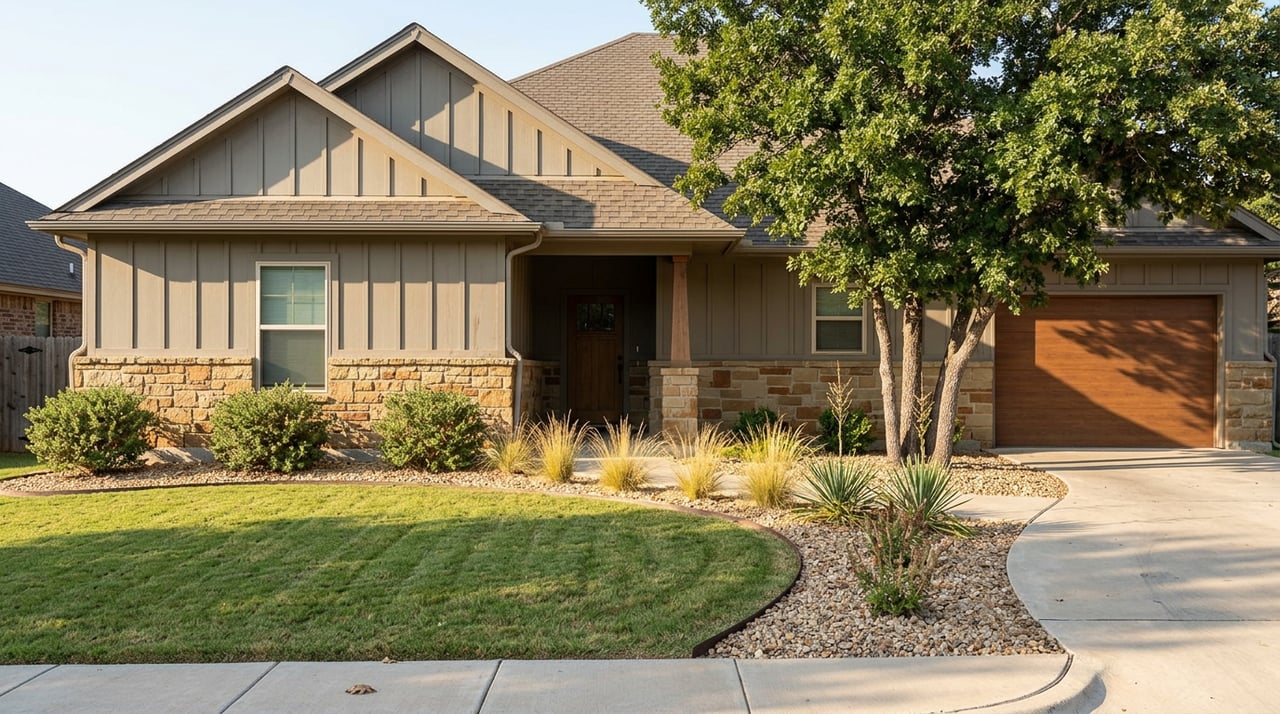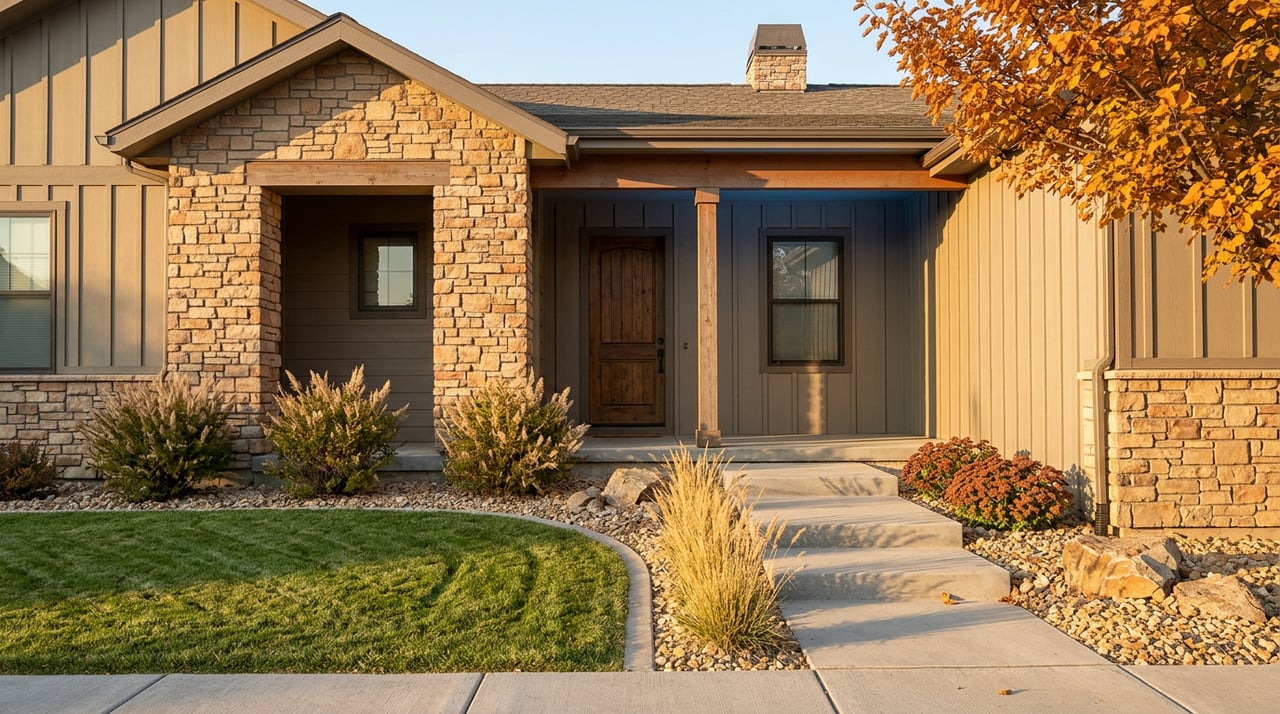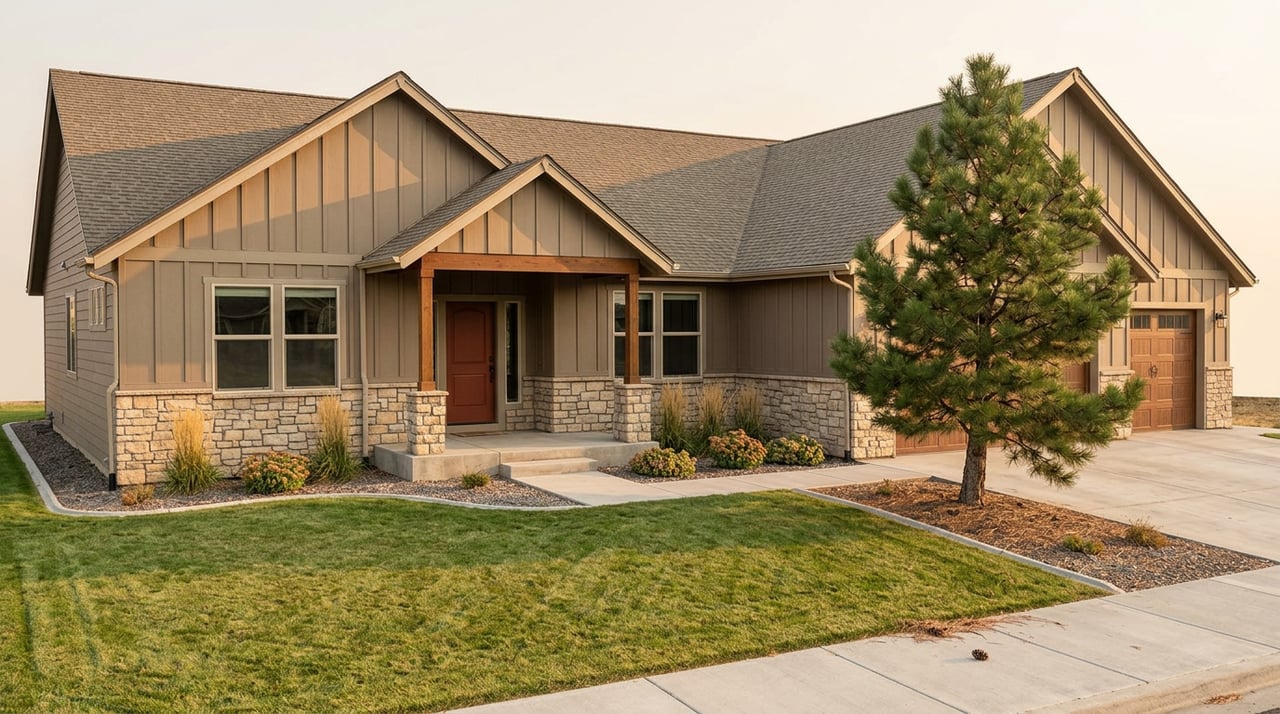
Two homes go up for sale on the same block in south Fort Collins. Same builder, same year, same floor plan mirrored across the street. One buyer's water bill runs noticeably higher than the other's, every month, for as long as they own the house. Nothing about the listing explains why.
The answer has nothing to do with square footage, lot size in the way most people assume, or which subdivision entrance the mail carrier uses. It comes down to a decision made years earlier, buried in construction paperwork most buyers never see: which water utility the original builder dedicated that specific parcel's water rights to.
Fort Collins doesn't run on one water system. It runs on three, layered across the same streets, and the boundary between them was never drawn to match a neighborhood name or a zip code.
Three Utilities, One City, No Visible Line
Fort Collins Utilities is the city's own not-for-profit provider and serves most of the core of town. The Fort Collins-Loveland Water District (FCLWD) distributes water into other pockets, largely newer growth in southern Fort Collins and stretching into northern Loveland, where the city's own lines don't reach. East Larimer County Water District (ELCO), based on Link Lane and serving roughly 20,500 people in and around Fort Collins since 1962, covers still other pockets, drawing its supply from Horsetooth Reservoir and the Cache la Poudre River.
None of these boundaries track city limits. FCLWD says it plainly on its own site: whether a home is billed as "FCLWD water" or under the city's rate structure depends on whether the water rights for that specific tap were dedicated to the district or to the City of Fort Collins at the time of construction. If a homeowner isn't sure which applies, the district's answer is to call and ask.
That single sentence is the whole mechanism. It's not about where a house sits on a map. It's about a paperwork decision a builder made, potentially decades ago, that now sets a recurring cost for whoever owns that address.
The pattern gets stranger once you look inside FCLWD's own service territory. Even among customers physically served by FCLWD pipes, some named subdivisions bill at the City of Fort Collins rate rather than the district rate, because the raw water behind those specific taps was dedicated to the city, not the district, when they were built. FCLWD's own billing documentation lists Willow Brook and Observatory Village, Fossil Lake, Linden Park, Sage Creek, Harvest Park, and Westchase as examples of neighborhoods that fall under this City IGA category. A homeowner in one of these subdivisions can live inside FCLWD's physical footprint and still pay City of Fort Collins rates, while a neighbor a few streets over pays the district's own schedule.
What This Actually Costs, In 2026 Numbers
The three systems aren't just administratively different. They're moving at different speeds.
FCLWD raised rates 30% in 2025, then another 10% effective January 1, 2026, on nearly all base rates and usage tiers. The standard 5/8-inch or 3/4-inch residential base rate climbed from $23.22 to $25.54 per month, and Tier 1 usage rose from $2.72 to $2.99 per 1,000 gallons. The district also shortened its irrigation allocation window from five months to four, which means summer water use hits the higher-priced tiers faster than it did the year before. Back in 2025, that same district's typical residential bill jumped from about $49 a month to $63.
Fort Collins Utilities moved on a different track. The city's council-approved 2026 budget included a 9% water rate increase as part of a broader package covering electric, wastewater, and stormwater service, adopted on second reading in late 2025 and folded into the city's recommended budget. Even after that increase, Fort Collins Utilities' combined bill for all four services still comes in as the lowest among comparable Front Range utilities surveyed by the Colorado Association of Municipal Utilities, a position city staff expect to hold through 2026.
Put side by side, that's a district that raised rates roughly 40% across two years against a city utility that raised rates 9% in the same window and still ranks cheapest regionally. Two houses can carry an identical price tag on a listing sheet and diverge meaningfully on the one bill that arrives every month for as long as someone owns the place, purely because of which system their tap was dedicated to before either owner ever saw the address.
| Provider | Core service area pattern | 2026 rate move | Multi-year trend |
|---|---|---|---|
| Fort Collins Utilities | Most of core Fort Collins | 9% water rate increase | Steadier, remains lowest combined-utility cost regionally |
| Fort Collins-Loveland Water District | Southern Fort Collins into northern Loveland | 10% increase on base rates and most tiers | 30% jump in 2025, then 10% in 2026 |
| East Larimer County Water District | Pockets in and around Fort Collins | Separate conservation-charge structure | Charges $5.61 per 1,000 gallons over a lot-size-based annual allotment |
The Bigger Number Hides in New Construction
For a resale buyer, the difference shows up as a monthly line item. For anyone building or buying a lot, it shows up as a number large enough to change a construction budget before a shovel goes in the ground.
FCLWD's water tap fee for a new single-family connection jumped from $17,000 to $27,000 in 2025 alone, a change the district tied to funding additional water rights and system expansion. The district's current schedule prices the fee by irrigable lot size, meaning how much of the property the owner plans to irrigate, not how large the house is. A conservation tap or a lot up to 3,000 square feet of irrigable area runs $55,685. Push into the 6,001 to 7,000 square foot bracket and the same district's fee climbs to $89,285, a difference of $33,600 tied entirely to lawn size on an otherwise identical parcel.
ELCO runs its own separate structure entirely, layering a conservation charge of $5.61 per 1,000 gallons onto any usage beyond a customer's annual allotment, which is itself calculated from lot size.
None of this is negotiable after closing. It's set by whichever utility holds the water rights dedication for that specific parcel, and the fee schedule changes at least once a year.
How to Actually Check Before You Write an Offer
The determining factor isn't the listing address. It's the parcel's water rights history, and that's not something a portal listing or even an MLS sheet reliably states.
- Ask which utility serves the specific parcel, by parcel number rather than street address, since FCLWD and the city both note that address alone isn't always a reliable way to tell.
- For any home under about five years old, or any lot purchase, get the current fee schedule from the actual provider in writing rather than relying on what a neighbor paid last year.
- For new construction, treat irrigable lot size as a cost decision, not a landscaping afterthought. It's one of the few five-figure line items still adjustable while the site plan is a sketch.
- If a current owner can share a recent bill, it names the provider directly, since FCLWD's own back-of-bill materials list the rate category on the statement itself.
A Few Questions Buyers Ask Once They Learn This
Does a higher list price mean lower utility costs? No. Nothing in these fee schedules tracks with home value. A modest home on a City of Fort Collins tap can carry a lower monthly water bill than a larger home on an FCLWD tap a few blocks away, and the reverse holds just as often.
Do resale buyers need to worry about tap fees? Tap fees apply at construction, so a resale buyer generally inherits the existing tap rather than paying a new one. What carries forward is the monthly rate structure and which provider's future increases apply to that address going forward.
Can I find out which utility serves a home before making an offer? Yes. Both FCLWD and the City of Fort Collins can confirm service by parcel number, and a recent utility bill from the current owner will show the provider directly.
None of this shows up in a median price, and it's exactly the kind of detail that separates a home that fits a budget on paper from one that fits it after the first full year of bills.
If you're comparing homes across Fort Collins and want a read on which system serves a specific address before you write an offer, reach out to Andrea Stull. Start with a look at current Fort Collins listings and neighborhood guides, or get your questions answered directly through Andrea's buyer resources.