Thinking about relocating to Fort Collins? You are not alone. Many buyers are drawn to the city’s mix of mountain access, established neighborhoods, newer developments, and a lifestyle that feels active without feeling overwhelming. If you want a clearer picture of what it costs to live here, how housing options vary, and which parts of town may fit your routine, this guide will help you sort through the essentials. Let’s dive in.
Why Fort Collins Appeals to Relocators
Fort Collins is a mid-sized city with about 171,500 residents. It offers a blend of college-town energy, established residential areas, and strong access to outdoor recreation. City information also notes roughly 300 days of sunshine each year, which is a big lifestyle draw for many people planning a move.
The city sits at about 5,000 feet and functions as a regional employment and retail center. Colorado State University is the city’s largest employer, and Fort Collins also has healthcare, high-tech, and craft-brewing employers. For you, that can mean a city with a broad mix of job centers, daily amenities, and neighborhood types.
Fort Collins is also large enough to offer variety without feeling like a major metro. Census data shows a mean one-way commute time of 19.5 minutes for workers age 16 and older. That shorter average can be appealing if you want access to work, recreation, and errands without spending too much of your day in the car.
What Housing Costs Look Like
If you are moving to Fort Collins, it helps to start with realistic price expectations. Census QuickFacts reports a 2020 to 2024 median value of owner-occupied housing units of $577,900. Median selected monthly owner costs with a mortgage were reported at $2,287, and median household income was $85,070.
Local market data shows that pricing can shift quite a bit depending on the property type. In the March 2026 market update, the year-to-date median sales price was $590,000 for single-family homes and $414,500 for townhouse and condo properties. Zillow’s April 2026 home value index placed the average Fort Collins home value at $568,389, with homes going pending in around 19 days.
The key takeaway is simple: Fort Collins is not a one-price market. Your budget conversation may look very different depending on whether you want a condo, a newer home in south Fort Collins, or an older property closer to Old Town. That is why narrowing your priorities early can save time and reduce stress.
Home Styles You Will Find
Fort Collins has a layered housing stock, which is part of its appeal. In and around Old Town, you will find some of the city’s earliest architectural development. The Loomis Addition is one of the city’s oldest neighborhoods, with about two-thirds of existing homes built between 1885 and 1920.
If you like mid-century design, Fort Collins includes smaller pockets that stand out for that style as well. The city identifies Sheely Drive as a small district of 11 mid-century modern homes. Historic planning materials also mention ranch-style homes in the Circle Drive subdivision, along with mature trees and established neighborhood character.
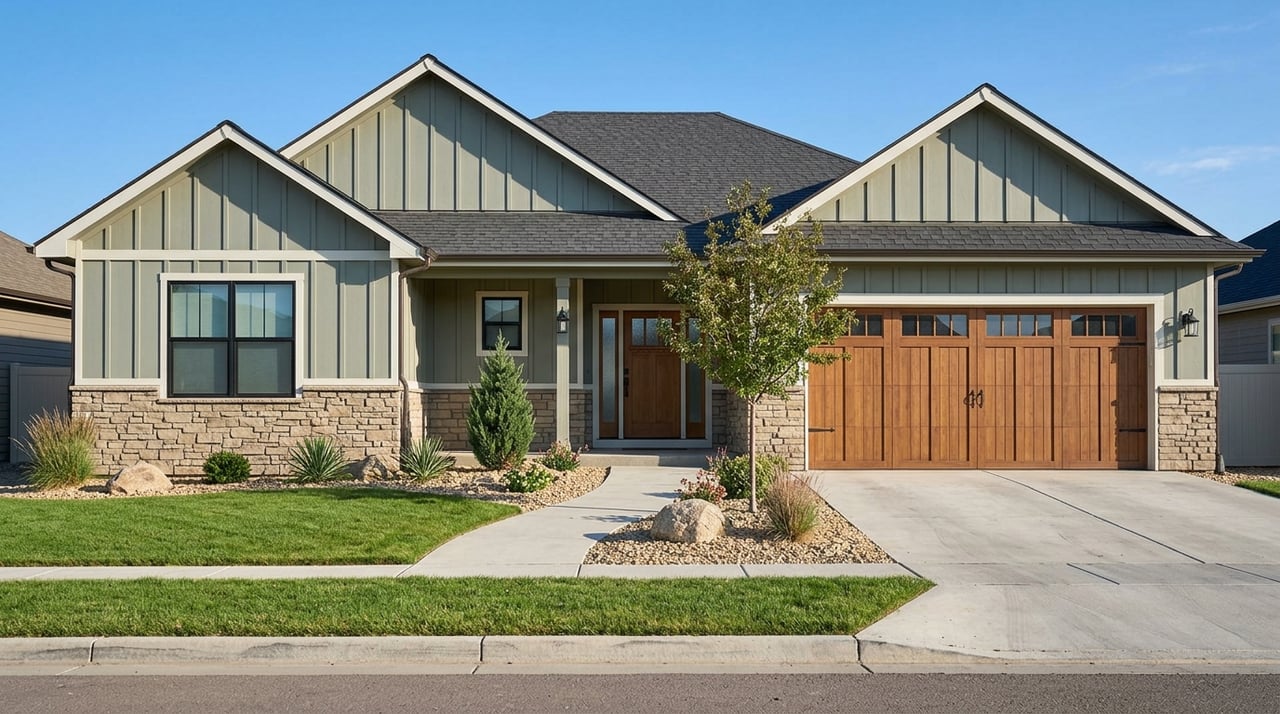
On the other end of the spectrum, south Fort Collins is often associated with newer development and more modern retail patterns. If your wish list includes more recent construction, easier regional access, or a more contemporary layout, that part of the city may deserve a closer look.
Historic Homes and Design Review
Older homes can be a great fit if you value character, location, and established streetscapes. But if a home is in a designated historic district, there is an extra layer to understand before you buy. According to the city, historic designation does not change allowable uses, ownership, or zoning.
What it can change is the process for exterior alterations. The city says exterior changes in designated historic districts must be approved by city staff or the Landmarks Preservation Commission. If you are drawn to a historic property, it is smart to factor that review process into your renovation plans and timeline.
Fort Collins Neighborhood Areas to Explore
The best neighborhood for you depends on how you want to live day to day. Some buyers prioritize walkability and older homes. Others want newer construction, quick access to I-25, or proximity to trails and open space.
Old Town and Nearby Historic Areas
Downtown and Old Town are the city’s historic core. These areas often appeal to buyers who want established architecture, a central location, and a more walkable daily routine. You may also find older homes, mature trees, and in some locations, design review considerations tied to historic preservation.
Midtown and CSU Area
Midtown is often associated with dining, events, and access to the MAX line. City materials also point to the Mason Corridor and Midtown as areas shaped by transit access, central convenience, shopping, and mixed-use redevelopment. If you want a more central in-town location, this part of Fort Collins may be worth exploring first.
South Fort Collins and Harmony
South Fort Collins is commonly tied to newer development and modern retail. Planning documents identify Harmony as a heavily traveled corridor and a gateway into the city, which matters if you expect to commute regionally. For many relocators, this area can offer a practical mix of newer housing options and easier access toward I-25.
West and North Fort Collins
West Fort Collins stands out for foothills access and proximity to Horsetooth-area recreation. North Fort Collins is often associated with biking trails and outdoor access as well. If your ideal routine includes trail time, open space, or quick weekend recreation, these areas can be strong fits.
Getting Around Fort Collins
One reason Fort Collins works well for many newcomers is that you have options beyond just driving everywhere. The city is a Platinum-rated Bicycle Friendly Community with more than 200 miles of dedicated bike lanes and 50 miles of marked or signed bike routes. It also maintains more than 45 miles of paved trails and more than 966 acres of developed parks.
Public transit is another notable part of the local lifestyle. Transfort is currently fare-free, and the MAX Bus Rapid Transit route connects Downtown, Midtown, CSU, and the South Transit Center through 12 stations. Regional options also include service toward Boulder and Denver through FLEX and Bustang.
If you are trying to reduce commute friction, location matters. Downtown, Midtown, and CSU-adjacent areas may suit buyers who want shorter in-town trips, while south Fort Collins may be useful for those who need easier access to Harmony Road and I-25. Your daily route should be part of your home search strategy, not an afterthought.
Outdoor Lifestyle in Fort Collins
For many people, the outdoor lifestyle is the biggest reason to move here. Horsetooth Reservoir offers boating, fishing, camping, swimming, scuba diving, rock climbing, and water skiing across 6.5 miles of water surrounded by 1,900 acres of public lands. It is open year-round, with permits required.
Horsetooth Mountain Open Space adds another layer to that lifestyle. The area includes 2,711 acres and 29 miles of hiking, biking, and horseback trails about 4 miles west of Fort Collins. If access to outdoor recreation is high on your list, where you live within the city can shape how often you actually use it.
Regional trail access is improving too. Larimer County says the Poudre River Trail is moving toward 45 miles of continuous paved multi-use trail between Bellvue and Greeley, and Fort Collins closed its final two gaps at the end of 2024. That continued connectivity is a meaningful quality-of-life benefit for many residents.
Schools and Daily Living
If schools are part of your move, it helps to understand the district’s size and reach. Poudre School District says it serves more than 28,000 students across 54 schools in Northern Colorado. The district covers more than 1,800 square miles, including Fort Collins, Loveland, Timnath, Wellington, and surrounding areas.
That broad service area is one reason many buyers start by identifying a few neighborhood types first, then confirming school assignment details for specific homes later. It keeps your search focused while helping you avoid making assumptions too early.
How to Narrow Your Search
Relocating is easier when you define your priorities before you tour homes. In Fort Collins, the biggest tradeoffs often come down to home age, location, commute pattern, and access to recreation or transit. Once you know which of those matters most, your search becomes much more efficient.
A simple way to start is to rank these priorities:
- Historic character
- Newer construction
- Transit access
- Trail and outdoor access
- Walkability
- Easier I-25 access
- Lower-maintenance townhouse or condo living
From there, focus on two or three neighborhood areas that support your top goals. Buyers shopping older neighborhoods should also review city mapping tools for neighborhood names, zoning, bike routes, and development projects before touring homes. That extra step can give you better context and help you ask smarter questions.
A Smart First Move for Buyers
Before you begin seriously shopping, get preapproved and set a comfortable budget range. In a market where single-family and attached housing can differ significantly in price, your financing range helps define the right search from the start. It also helps you move faster when the right home appears.
Fort Collins offers a lot of variety for a mid-sized city. Whether you are looking for an older home near the historic core, a condo with easier maintenance, a newer build in south Fort Collins, or a property with better access to trails and open space, the right fit usually comes down to matching your daily lifestyle with the right pocket of the city.
If you are planning a move and want local guidance that makes the process clearer, Andrea Stull can help you compare neighborhoods, understand the market, and build a search around how you actually want to live.
FAQs
What is the average home price in Fort Collins?
- Local 2026 data showed a year-to-date median sales price of $590,000 for single-family homes and $414,500 for townhouse and condo properties, while Zillow’s April 2026 home value index reported an average home value of $568,389.
What is it like living in Fort Collins for commuters?
- Fort Collins had a mean one-way commute time of 19.5 minutes in recent Census data, and residents also have access to fare-free local transit, bike lanes, trails, and regional routes toward Boulder and Denver.
What Fort Collins neighborhoods should relocators research first?
- Many relocators start with Old Town for historic character, Midtown for central convenience and transit, South Fort Collins for newer development and I-25 access, and West or North Fort Collins for trail and outdoor access.
What should buyers know about historic homes in Fort Collins?
- If a home is in a designated historic district, exterior alterations may require approval from city staff or the Landmarks Preservation Commission, even though designation does not change ownership, allowable uses, or zoning.
What outdoor amenities make Fort Collins popular?
- Fort Collins offers access to Horsetooth Reservoir, Horsetooth Mountain Open Space, more than 45 miles of paved trails in the city, and expanding regional connectivity through the Poudre River Trail.
What should I do before buying a home in Fort Collins?
- A strong first step is to get preapproved, decide which lifestyle priorities matter most, and then narrow your search to two or three neighborhood types that fit your budget and routine.